
Optimal Tree Trimming Seasons
Tree trimmings are essential for maintaining healthy and attractive trees. Proper timing ensures optimal growth, disease prevention, and aesthetic appeal. Understanding the best seasons and conditions for trimming can lead to better tree health and longevity.
Ideal for shaping and removing dead or damaged branches before active growth begins.
Suitable for maintenance and minor pruning to control growth and improve appearance.
Best for removing weak or diseased branches after the growing season ends.
Optimal for pruning most deciduous trees when they are dormant, reducing stress and promoting healthy growth.
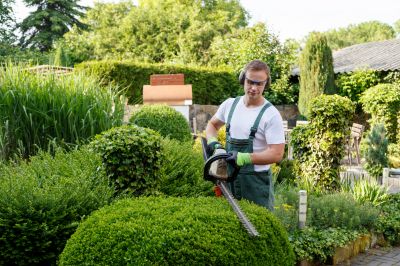
Ways to make Tree Trimmings work in tight or awkward layouts.
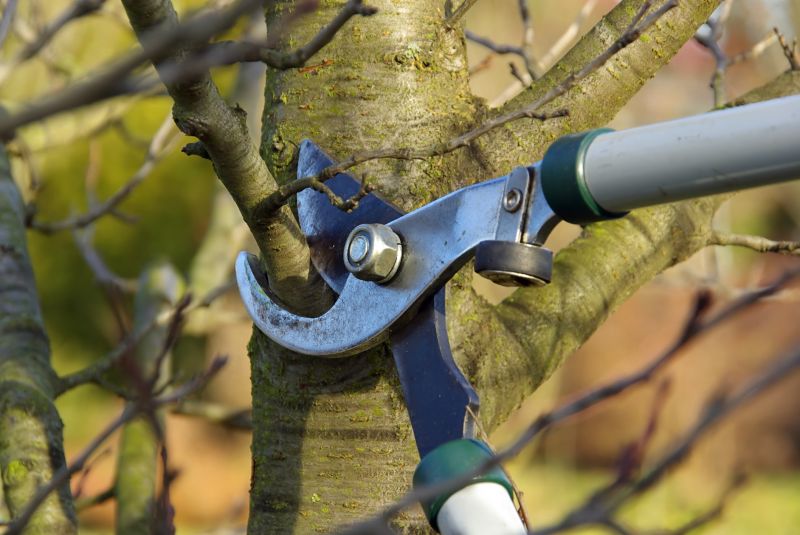
Popular materials for Tree Trimmings and why they hold up over time.
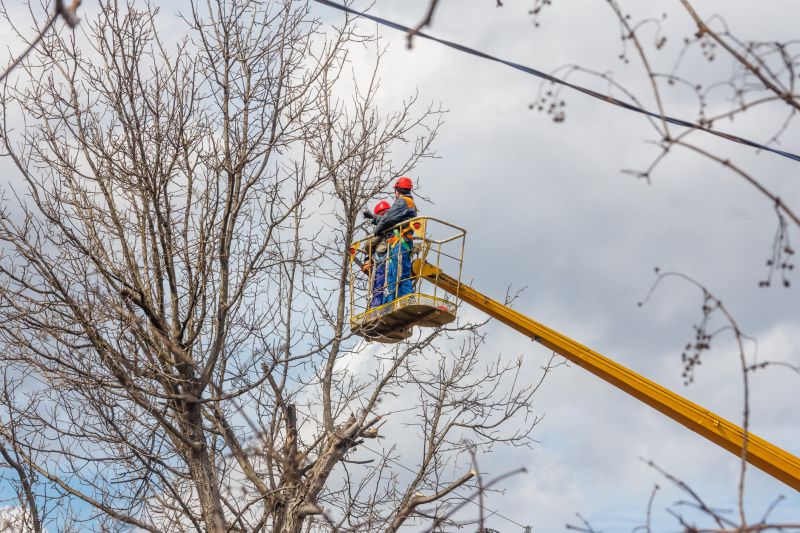
Simple add-ons that improve Tree Trimmings without blowing the budget.
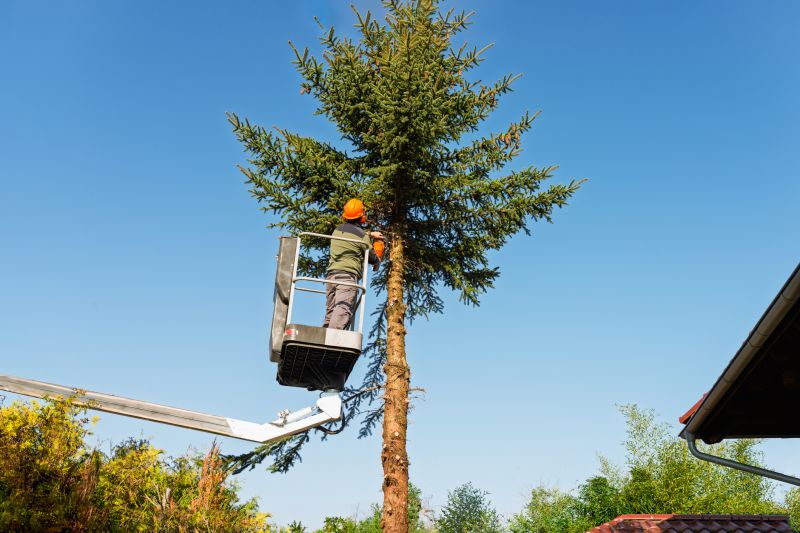
High-end options that actually feel worth it for Tree Trimmings.
| Season | Best Practices |
|---|---|
| Spring | Prune before new growth starts to shape the tree and remove dead branches. |
| Summer | Perform light maintenance and control growth without stressing the tree. |
| Fall | Remove diseased or weak branches after the growing season. |
| Winter | Prune deciduous trees during dormancy for healthy development. |
| Peak Growth | Trim during active growth for best results and minimal stress. |
Tree trimmings contribute significantly to the health and appearance of trees. Proper timing allows for better wound healing, reduces the risk of disease, and encourages denser foliage. Regular trimming also helps in managing tree size and shape, which can prevent hazards caused by overgrown branches.
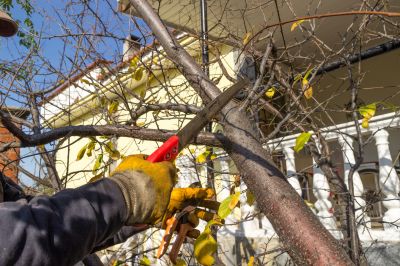
Finishes and colors that play nicely with Tree Trimmings.
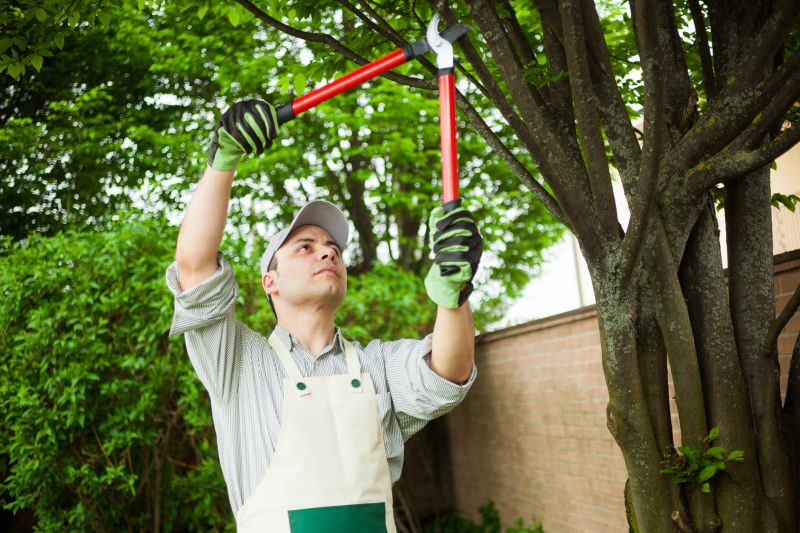
Little measurements that prevent headaches on Tree Trimmings day.
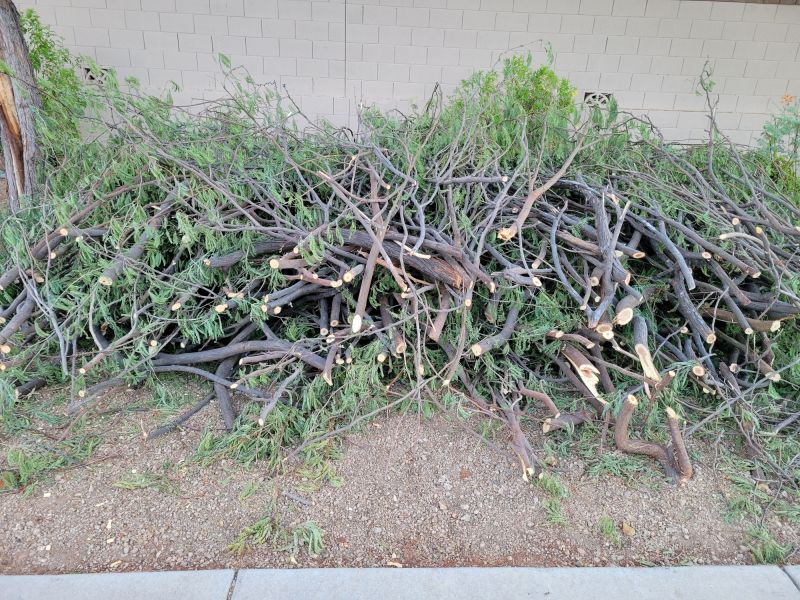
A 60-second routine that keeps Tree Trimmings looking new.
Interested in professional tree trimmings? Fill out the contact form to schedule a consultation and ensure your trees receive the proper care at the right time.